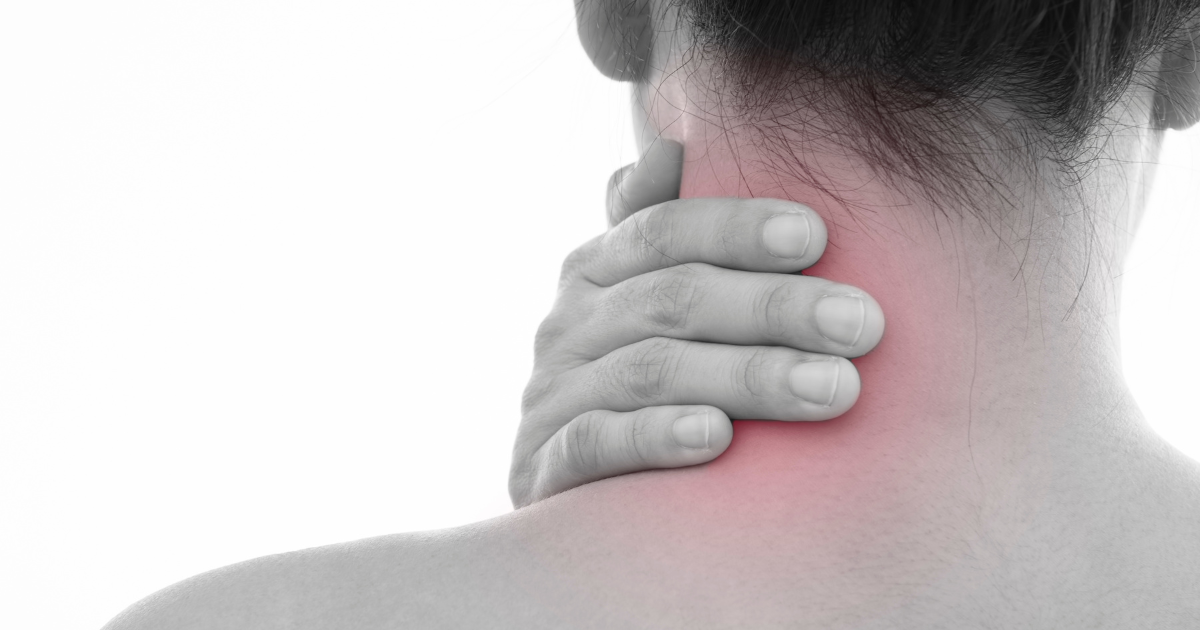
Muscle relaxers are commonly prescribed to alleviate muscle spasms, pain, and discomfort. These medications can be effective for short-term relief, but patients may wonder about the potential risks associated with their use. Are muscle relaxers addictive? Understanding the properties of these drugs, their effects, and the signs of addiction can help you make informed decisions about your treatment.
In our guide, we will explore the types of muscle relaxants, the symptoms of addiction to muscle relaxers, and the best ways to seek help if you or your loved one is struggling to break free from this addiction. We will also discuss the benefits of choosing professional recovery services and getting appropriate medical and mental health support.
Types of Muscle Relaxers
Muscle relaxers are a group of medications aimed at reducing muscle spasms and alleviating pain and soreness. There are two main categories of muscle relaxants: antispasmodics and antispastics.
Antispasmodic drugs are usually prescribed to treat musculoskeletal conditions and injuries, such as back pain or tension headaches. Antispastic medications are intended to reduce muscle stiffness and improve mobility in patients diagnosed with cerebral palsy, multiple sclerosis, and similar disorders.
In addition to prescription drugs, such as Baclofen, Tizanidine, and Diazepam (Valium), patients may use over-the-counter medications with anti-spasmodic properties, such as Ibuprofen. While muscle relaxers are not classified as controlled substances, some of these drugs (for instance, benzodiazepines) are known for their addictive properties.
Why Muscle Relaxers May Be Addictive
Even when muscle relaxers are effective in reducing pain and prescribed by a qualified medical provider, there is a risk of addiction associated with these medications. Here are a few reasons why muscle relaxants may be addictive:
- Euphoric Effect. On top of desensitizing the pain, muscle relaxers may make the person feel relaxed and “”high”—which may prompt some individuals to misuse the drugs to replicate this feeling.
- Temporary Relief. While muscle relaxers target the communication between the nerves and the brain to stop the spasms, they do not address the root cause of the issue and are usually prescribed for short-term use only. Relying on medications to feel better may lead to substance abuse.
- Withdrawal Symptoms. Once the person develops a dependency on muscle relaxers, they may struggle to quit these drugs—it is likely you will feel unwell and anxious if you suddenly stop taking the medication you are addicted to.
Symptoms of Addiction to Muscle Relaxers
It is important to be aware of the signs of muscle relaxer addiction, whether you are taking these drugs yourself or looking out for the well-being of a friend or family member. Pay attention to the symptoms listed below:
- Behavioral Changes. The person becomes increasingly focused on obtaining and consuming muscle relaxers, struggles to concentrate, drives under the influence, and has mood swings.
- Psychological Symptoms. The medications are supposed to make you feel calm; however, as soon as the person develops a dependency on muscle relaxants, they may suffer from insomnia, anxiety, agitation, and poor memory.
- Physical Issues. Muscle relaxer addiction affects the body of the individual—you may notice such symptoms as dizziness, impaired vision, shallow breathing, nausea, and fatigue.
Dangers of Muscle Relaxers Addiction
Muscle relaxer addiction, like any substance abuse disorder, poses a danger to the physical and mental health of the person struggling with it. Here are a few reasons to be concerned about the long-term misuse of muscle relaxants:
- Sedation: Feeling drowsy and sleepy, reduced reaction time
- Dependence: The person increases the dosage of the medication and takes it without a prescription
- Withdrawal: When the drug use is stopped, the individual feels unwell—both mentally and physically
Besides, if a person addicted to muscle relaxers is no longer able to control their consumption, there is a risk of overdose. It may lead to coma and death, especially if the medication is combined with other drugs and alcohol.
Treatment for Muscle Relaxers Addiction
Fortunately, people who suffer from muscle relaxer addiction can get the help they need and return to their normal lives. Below you can see the steps you may take to treat muscle relaxer addiction, either for yourself or your loved one:
- Recognize the Issue. It may be challenging to admit there is a problem with muscle relaxer misuse, but it is crucial to observe the symptoms of addiction and acknowledge the negative impact of drug consumption on the life of the individual.
- Get professional help. Reach out to a doctor to let them know about the addiction—a healthcare provider will be able to offer you a few treatment plans suitable for your unique circumstances. In many cases, muscle relaxer addiction is resolved with therapy and medication.
- Build a Support System. The recovery of the addicted person does not end when their therapy is complete—you need to make sure your friend or family member is surrounded by people who care about them and are invested in their sobriety.
Break Free From Muscle Relaxer Addiction With Addiction Recovery Center
Muscle relaxer addiction can take a serious toll on your physical health, mental well-being, and quality of life—but recovery is possible. At Addiction Recovery Center, our team of medical professionals and addiction specialists provides personalized treatment plans designed to help you safely overcome dependence and build a lasting foundation for sobriety. From medically supervised detox to evidence-based therapy and aftercare support, we’re with you every step of the way. Contact Addiction Recovery Center today to start your journey toward a healthier, addiction-free life.
FAQs
What Are Muscle Relaxers?
Muscle relaxers are a group of drugs that target muscle spasms and alleviate pain and discomfort. These medications interfere with nerve signals, reducing muscle stiffness and improving the mobility of the person.
What Are the Types of Muscle Relaxers?
Muscle relaxants can be divided into two categories: antispasmodic and antispastic drugs. The former is intended to treat short-term injuries and conditions such as back pain, while the latter is prescribed to help patients with chronic disorders like cerebral palsy.
Are Muscle Relaxers Addictive?
Muscle relaxers are not classified as controlled drugs, yet it is possible to get addicted to them. These medications have a calming and even euphoric effect on the person taking them, which may lead to their misuse.
What Are the Symptoms of Muscle Relaxer Addiction?
The person who is addicted to muscle relaxers may behave erratically, struggle with anxiety and insomnia, and suffer from dizziness and nausea. If you notice these symptoms in yourself or a person you care about, consider reaching out to a doctor.
How to Treat Muscle Relaxer Addiction?
You can design a treatment plan together with your healthcare provider—let the doctor know about your addiction, enlist the support of your friends and family, and go to therapy to address the root cause of the addiction.