Carisoprodol withdrawal—a critical topic for anyone using this widely prescribed muscle relaxant. Dependence on this medication often leads to several unwanted symptoms after you stop taking the pills—from mild discomfort to severe pain. Understanding the withdrawal symptoms, the duration of the withdrawal process, and the best treatment options will help you or your loved one safely and comfortably quit carisoprodol.
Our guide will explain the symptoms of carisoprodol (Soma) withdrawal, delve into the reasons to develop an addiction to this drug, and offer a few tips to manage the withdrawal. We will also list the benefits of reaching out to medical professionals who will assist you on your recovery journey and answer the most common questions about carisoprodol withdrawal.
What Is Carisoprodol?
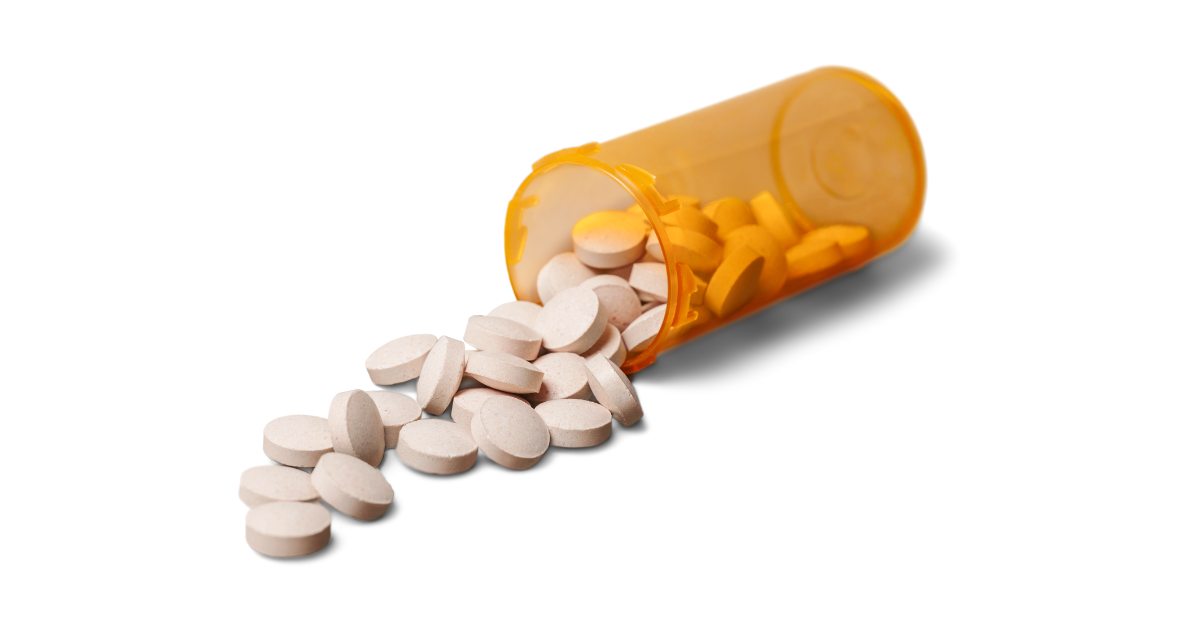
Carisoprodol is a medication used to treat musculoskeletal pain. If you are suffering from muscle pain or muscle injury, your doctor may prescribe carisoprodol for you—this drug is often combined with rest and physical therapy to relax muscles and eliminate discomfort. In most cases, carisoprodol is prescribed for a few weeks—short-term use of the medication reduces the risk of addiction.
Carisoprodol, also known under the brand name Soma, affects the communication between nerves in your brain, which may lead to sedation and a feeling of euphoria. This medication is classified as a controlled substance in the United States (Schedule IV), which means it has a recognized medical use and may be prescribed by a healthcare provider, yet there is a risk of dependence associated with carisoprodol.

Carisoprodol Withdrawal Symptoms
When you develop a dependence on carisoprodol, you may experience withdrawal symptoms after you abruptly quit the medication or lower the usual dosage. Here is what you may feel during the withdrawal:
- Insomnia. It may be challenging to fall asleep and stick to your sleeping schedule when you stop taking carisoprodol.
- Anxiety. Psychological symptoms of carisoprodol withdrawal include nervousness, agitation, and irritability.
- Headaches. Many people who struggle with withdrawal complain about migraines and persistent headaches.
- High Blood Pressure. If you feel dizzy and notice your heart is racing, check your blood pressure—in case it remains high, see a doctor.
- Nausea. Withdrawal may negatively affect your appetite and be accompanied by nausea and vomiting.
- Muscle Pain. Ironically, the medication designed to deal with muscle spasms and cramps may lead to muscle pain when it is no longer consumed.
How Long Does Carisoprodol Withdrawal Last
On average, carisoprodol withdrawal lasts for 1-2 weeks. The exact duration of the withdrawal depends on several factors, such as the length of the carisoprodol consumption, the dosage of the medication, and the personal history of the individual struggling with withdrawal. If you have abused carisoprodol in the past, it may take you longer to quit the drug now.
In most cases, people start feeling the withdrawal symptoms within 1-2 days after the last dose of carisoprodol. You may feel anxious and have trouble sleeping for a few days. After the first week of the withdrawal, the symptoms may become more serious—for instance, at this stage, it is possible to deal with nausea and high blood pressure. Fortunately, the withdrawal usually does not last longer than ten days.
Tips to Deal With Carisoprodol Withdrawal
Here is what you can do to manage carisoprodol withdrawal symptoms:
- Talk to Your Doctor. It is not advised to quit carisoprodol cold turkey without prior consultation with a healthcare provider. Your doctor will warn you about the withdrawal symptoms and give you a list of medications to deal with withdrawal.
- Stay hydrated. One of the main symptoms of carisoprodol withdrawal is nausea—you may feel nauseous and vomit when you stop taking the drug. Make sure to drink a lot of water, especially if your appetite is low.
- Take Time to Rest. Do not push yourself to stick to your routine if you feel unwell. You may need a few days off school or work to cope with the withdrawal symptoms.
- Eat healthily. While you may not feel like eating your favorite treats when you struggle with withdrawal, it is important to maintain a nutritious diet to speed up the recovery. Instead of consuming fast food, opt for fruits, vegetables, and foods rich in protein.
- Reach Out to a Recovery Center. Addiction specialists will be able to design a personalized treatment plan for you, assist you with both at-home and inpatient therapy, and provide you with the support you need to overcome the withdrawal.

Do You Need a Medical Detox for Carisoprodol Withdrawal
While it is possible to go through the Carisoprodol withdrawal on your own, getting professional help may be a better option. Certified specialists will know how to help you when you start struggling with withdrawal symptoms and personalize your treatment to figure out what works best for you.
If you or your friend or family member is addicted to carisoprodol, there are signs to look out for—drowsiness, changes in the person’s behavior, lack of coordination, rapid mood swings, and poor concentration—it may be necessary to admit the individual to a recovery facility where they will be able to detox from carisoprodol in a safe environment under the supervision of doctors.
Get Help With Carisoprodol Withdrawal at Addiction Recovery Center
You don’t have to face carisoprodol withdrawal alone. At Addiction Recovery Center, our team of addiction specialists and medical professionals provides safe, medically supervised detox and personalized treatment plans to help you manage withdrawal symptoms and overcome dependence for good. Whether you need inpatient care or outpatient support, we’ll guide you through every stage of recovery with compassion and expertise. Contact Addiction Recovery Center today to take the first step toward a healthier, drug-free life.
FAQs
What Is Carisoprodol Prescribed For?
Carisoprodol is a muscle relaxant given to patients who suffer from acute musculoskeletal pain. It is usually prescribed for a short period of time (up to three weeks) and combined with rest and physical therapy.
Is Carisoprodol Addictive?
Carisoprodol is classified as a controlled substance, which means it can only be obtained with a prescription. There is a risk of addiction associated with this medication—in some cases, patients start feeling withdrawal symptoms when they stop taking the drug.
What Are the Symptoms of Carisoprodol Withdrawal?
The symptoms of carisoprodol withdrawal are both mental and physical. A person who stops taking carisoprodol may feel anxious, have trouble sleeping, and suffer from headaches, nausea, and high blood pressure.
How Long Does It Take to Withdraw From Carisoprodol?
The Carisoprodol withdrawal timeline varies—for some individuals it lasts only a few days, while others struggle with withdrawal symptoms for several weeks. On average, it takes 5-7 days to withdraw from carisoprodol.
Do I Need Therapy to Quit Carisoprodol?
Therapy is strongly recommended when quitting carisoprodol, especially after prolonged or high-dose use, as the drug can cause physical dependence and withdrawal symptoms that may be difficult or dangerous to manage alone. A professional treatment program can provide medically supervised detox, behavioral therapy to address the root causes of dependence, and ongoing support to reduce the risk of relapse.