Thousands of people receive prescriptions for Fioricet each year to manage debilitating tension headaches that interfere with work, family life, and daily functioning. This combination medication offers genuine relief for many patients struggling with chronic head pain. However, what is Fioricet really doing to your brain, and why do so many people who start taking it for legitimate medical reasons find themselves unable to stop? The answer lies in one of its three active ingredients: butalbital, a barbiturate sedative that creates physical dependence far more quickly than most patients or even prescribing physicians realize, transforming a headache solution into a serious addiction problem within just weeks of regular use.
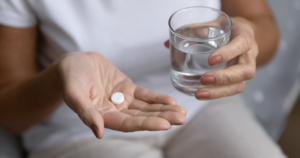
Understanding what Fioricet is and how it works requires looking beyond its intended purpose as a tension headache treatment. This medication combines three distinct substances that work together to relieve pain, but the butalbital component carries risks that set what is Fioricet apart from other headache medications. Many people taking Fioricet don’t recognize the warning signs of dependence until they try to stop and experience severe withdrawal symptoms. This comprehensive guide explains the Fioricet ingredients and composition, details why the butalbital barbiturate effects make this medication uniquely addictive, outlines what Fioricet withdrawal symptoms look like, and provides clear information about professional treatment options for those who’ve developed dependency. Whether you’re currently taking Fioricet, concerned about a loved one’s use, or simply researching what Fioricet is and its risks, understanding its addiction potential is essential for making informed healthcare decisions.
What Is Fioricet Made Of? The Three-Ingredient Formula Explained
What is Fioricet at the chemical level? This prescription medication contains three active ingredients that work synergistically to combat tension headaches. The first component is acetaminophen (typically 300-325mg per tablet), the same pain-relieving ingredient found in Tylenol, which reduces pain signals and lowers fever. The second ingredient is caffeine (40mg), which constricts blood vessels in the brain and enhances the pain-relieving effects of acetaminophen by up to 40%. The third and most problematic ingredient is butalbital (50mg), a barbiturate sedative that depresses central nervous system activity to reduce the muscle tension and anxiety that often trigger or worsen headaches. When doctors prescribe what is Fioricet for tension headaches, they’re targeting this specific combination effect—pain relief from acetaminophen, vascular constriction from caffeine, and muscle relaxation plus sedation from butalbital.
Understanding how Fioricet works requires recognizing that tension headaches differ fundamentally from migraines or cluster headaches. Tension headaches typically result from muscle tightness in the neck and scalp combined with stress and anxiety, creating a band-like pressure around the head. The butalbital in what is Fioricet addresses this root cause by binding to GABA receptors in the brain, the same neurotransmitter system affected by alcohol and benzodiazepines. This binding action slows nerve signal transmission, producing muscle relaxation, reduced anxiety, and mild euphoria in some users. While the acetaminophen and caffeine tackle pain symptoms directly, butalbital works on the psychological and muscular tension that perpetuates the headache cycle.
| Ingredient | Amount per Tablet | Primary Function | Addiction Risk |
|---|---|---|---|
| Butalbital | 50mg | Barbiturate sedative, muscle relaxant | High—creates physical dependence |
| Acetaminophen | 300-325mg | Pain reliever, fever reducer | None, but liver damage risk with overuse |
| Caffeine | 40mg | Vasoconstrictor, enhances pain relief | Low—mild dependence possible |
What Is Fioricet’s Addiction Risk? Why Butalbital Makes This Drug Dangerous
When people ask, “Is Fioricet addictive?” the answer lies entirely in the butalbital component. Barbiturates represent one of the oldest and most dependency-forming drug classes in medicine, with addiction potential comparable to opioids and benzodiazepines. Butalbital barbiturate effects occur because this substance fundamentally alters how your brain’s GABA system functions. GABA (gamma-aminobutyric acid) is your brain’s primary inhibitory neurotransmitter, responsible for calming nerve activity and reducing anxiety. When butalbital enhances GABA activity, it produces relaxation, reduced inhibition, and relief from psychological tension. However, your brain responds to this artificial GABA enhancement by downregulating its own natural GABA production and reducing receptor sensitivity. Within two to four weeks of daily use, your nervous system becomes chemically dependent on what is Fioricet because your brain reduces its own calming neurotransmitter production.
Understanding what Fioricet is compared to other migraine medications reveals why this particular drug carries such a high addiction risk. Modern migraine treatments like triptans (Imitrex, Maxalt) work by targeting serotonin receptors to constrict blood vessels without affecting GABA or creating dependency. NSAIDs like ibuprofen or naproxen reduce inflammation without any central nervous system effects. Even newer CGRP inhibitor medications block specific pain pathways without addiction potential. Fioricet vs other migraine medications represents an outdated treatment approach—most headache specialists now avoid prescribing butalbital-containing drugs except in rare cases. The tolerance-dependence cycle develops insidiously: you start taking what is Fioricet as prescribed for occasional headaches, but soon you’re taking it more frequently because headaches seem worse, then you’re taking higher doses because the original dose no longer works, and finally you’re taking it daily just to avoid withdrawal symptoms rather than to treat actual pain.
- Taking more Fioricet than prescribed or using it more frequently than your doctor recommended, often justifying the increase because “my headaches are getting worse.”
- Using Fioricet for stress relief or relaxation rather than specifically for headache pain, recognizing that you take it when anxious or tense, even without head pain.
- Experiencing rebound headaches that occur when what is Fioricet wears off, creating a cycle where you need more medication to treat headaches that the drug itself is causing.
- Doctor shopping or seeking early refills by visiting multiple physicians, using different pharmacies, or requesting refills before your prescription should run out.
- Anxiety when your supply runs low or panic at the thought of being without Fioricet, even if you don’t currently have a headache.
- Failed attempts to cut back or quit, where you’ve tried to reduce your Fioricet use but experienced severe symptoms that drove you back to taking it.
Fioricet Withdrawal Symptoms and the Dangers of Stopping Without Medical Support
What is Fioricet withdrawal like, and why is it medically dangerous? Unlike withdrawal from many other prescription medications, barbiturate withdrawal can be life-threatening without proper medical supervision. Fioricet withdrawal symptoms typically begin 8-24 hours after your last dose and follow a predictable but dangerous progression. The first 24-72 hours bring anxiety, tremors, sweating, rapid heart rate, insomnia, and intense headaches far worse than your original tension headaches. Days 3-7 represent the most dangerous period, when seizure risk peaks—what is Fioricet withdrawal can cause grand mal seizures even in people with no history of epilepsy, and these seizures can be fatal. The psychological symptoms during this phase include severe anxiety, panic attacks, hallucinations, and delirium.
The Fioricet side effects and risks of unsupervised withdrawal explain why medical detox is essential rather than optional for anyone dependent on this medication. Your brain has adapted to constant butalbital presence by reducing its own inhibitory neurotransmitter production. When you suddenly remove what is Fioricet, your nervous system becomes hyperexcitable with nothing to calm it down—like removing the brakes from a car while the engine is running. This hyperexcitability causes the tremors, anxiety, and seizures that make barbiturate withdrawal so dangerous. Professional medical detox programs manage what is Fioricet withdrawal through careful tapering protocols, often substituting longer-acting barbiturates or benzodiazepines that can be reduced more safely. Medication-assisted treatment during detox may include anti-seizure medications, beta-blockers to control heart rate and blood pressure, sleep aids for insomnia, and anti-anxiety medications to reduce psychological distress. Medical staff monitor vital signs continuously during the high-risk period and can intervene immediately if dangerous symptoms develop.

| Withdrawal Timeline | Symptoms | Risk Level |
|---|---|---|
| 8-24 hours | Anxiety, tremors, sweating, insomnia, rebound headaches | Moderate—uncomfortable but not life-threatening |
| 24-72 hours | Increased tremors, rapid heartbeat, high blood pressure, severe anxiety | High—seizure risk begins |
| Days 3-7 | Peak seizure risk, hallucinations, delirium, panic attacks | Critical—medical supervision essential |
| Days 7-14 | Declining physical symptoms, persistent insomnia, and depression | Moderate—psychological support needed |
| Weeks 2-8 | Post-acute withdrawal: cravings, mood swings, sleep disturbances | Moderate—relapse prevention critical |
Get Professional Help for Fioricet Dependence at Addiction Recovery Center
If you’re struggling with Fioricet dependence, understanding what Fioricet is doing to your brain is the first step toward recovery, but professional treatment is essential for safe withdrawal and lasting change. Many people delay seeking help because they fear judgment or believe they should be able to stop on their own, but barbiturate dependence requires the same medical intervention as any other serious health condition. Fioricet addiction is a medical condition resulting from predictable neurochemical changes in your brain—it’s not a character flaw, moral failing, or sign of weakness. The same butalbital barbiturate effects that provided headache relief have created a physical dependency that requires clinical expertise to resolve safely.
Addiction Recovery Center provides comprehensive treatment that addresses both the immediate medical crisis of what is Fioricet dependence and the underlying factors that led to problematic use. Our medical detox program uses evidence-based protocols to manage withdrawal symptoms safely, preventing seizures and other dangerous complications while keeping you as comfortable as possible during the process. Beyond detox, our treatment approach includes individual and group therapy to address chronic pain management, anxiety, and stress—the root issues that often drive continued what is Fioricet use—along with education about non-addictive headache treatment alternatives and relapse prevention planning to help you maintain recovery long-term. You don’t have to face what is Fioricet withdrawal alone or risk the dangerous complications of stopping without support. Call Addiction Recovery Center today for a confidential assessment and learn how our specialized program can help you safely break free from Fioricet dependence while addressing your legitimate headache treatment needs with safer alternatives.
FAQs About Fioricet and Addiction
How long does it take to become addicted to Fioricet?
Physical dependence on what is Fioricet can develop in as little as 2-4 weeks of daily use, even at prescribed doses. The butalbital component causes neurochemical changes that make your body rely on the drug to maintain normal function.
Can I take Fioricet occasionally without becoming addicted?
When used exactly as prescribed for occasional tension headaches (no more than 2-3 days per week), the risk of addiction to Fioricet is lower. However, using Fioricet more than 10 days per month increases the risk of both rebound headaches and physical dependence.
What are rebound headaches, and how are they related to Fioricet?
Rebound headaches (medication overuse headaches) occur when frequent use of what is Fioricet causes your brain to become hypersensitive to pain signals. This creates a cycle where you need more medication to treat headaches that the medication itself is causing.
Is Fioricet stronger than other migraine medications like Imitrex or Excedrin?
What is Fioricet isn’t necessarily “stronger” but works differently, as it’s designed for tension headaches rather than migraines. The butalbital provides sedation and muscle relaxation that other medications don’t offer, which explains both its appeal and higher addiction risk.
What should I do if I think I’m dependent on Fioricet?
Contact a medical professional or addiction treatment center immediately—do not attempt to stop taking what is Fioricet abruptly, as barbiturate withdrawal can cause life-threatening seizures. A supervised medical detox program can safely manage withdrawal while addressing the underlying headache condition with non-addictive alternatives.