Art Therapy for Addiction Treatment: Evidence-Based Results and Clinical Applications
Art therapy for addiction treatment is changing how people recover from substance use disorders. Instead of only talking about problems, patients use painting, drawing, and sculpting to express feelings they struggle to put into words. This creative approach reaches parts of the brain that traditional therapy sometimes cannot, making recovery more complete and lasting.
How Art Therapy Transforms Addiction Recovery Through Creative Expression
Recovery is about more than stopping drug or alcohol use. It is about rebuilding a whole life. Art therapy addiction recovery programs give patients a safe space to explore emotions, build confidence, and rediscover joy without substances.
The Neuroscience Behind Artistic Creation and Substance Abuse Healing
When someone creates art, the brain releases dopamine—the same chemical that substance abuse disrupts. Making something with your hands activates the brain’s reward system healthily. This helps patients feel pleasure and motivation again without relying on drugs or alcohol. Over time, regular creative expression healing sessions help rewire the brain toward healthier patterns.
Why Traditional Talk Therapy Alone Falls Short for Many Patients
Talk therapy is valuable, but many patients find it hard to describe deep trauma or shame in words. Some feelings are stored in the body and the subconscious, where language cannot easily reach. Art provides a different path. A person who cannot say “I am afraid” might paint it, sculpt it, or draw it—and that expression alone can begin the healing process.
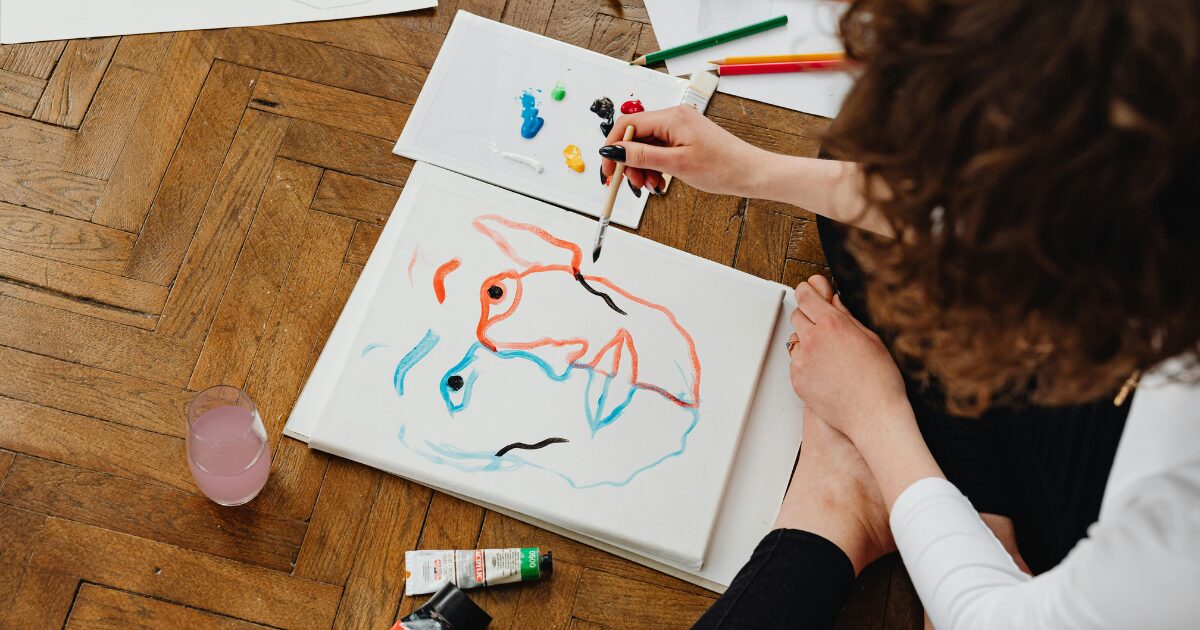
Clinical Evidence Supporting Art Therapy in Addiction Treatment Programs
Research increasingly supports the use of art therapy for addiction treatment as a clinically effective tool alongside standard care.
Peer-Reviewed Studies on Creative Modalities and Long-Term Sobriety Rates
Studies published in journals like the Journal of Addictions Nursing and reports from the American Art Therapy Association show that patients who participate in creative modalities during treatment are reported to have lower relapse rates and higher emotional well-being scores compared to those who receive only conventional therapy.
| Study Focus | Finding | Outcome |
| Art therapy + CBT vs. CBT alone | Reduced anxiety scores | Higher treatment completion |
| Creative group sessions in rehab | Improved emotional regulation | Lower 6-month relapse rates |
| Trauma-focused art interventions | Better trauma processing | Reduced PTSD symptoms |
| Mindfulness art in residential care | Increased self-awareness | Stronger coping skills |
The Role of Creative Expression in Processing Trauma and Emotional Pain
Most people struggling with addiction have experienced some form of trauma. Trauma processing through art allows patients to approach painful memories at their own pace. Instead of being forced to relive an event verbally, a person can represent it through color, shape, or imagery.
This indirect approach reduces emotional overwhelm and makes it easier to work through difficult experiences safely. Creative expression healing becomes a bridge between what happened and how a person can move forward.
Behavioral Therapy Integration: Combining Art With Cognitive Restructuring
Behavioral therapy and art therapy work powerfully together. Therapists use art activities to help patients identify negative thought patterns and replace them with healthier beliefs—the core goal of cognitive behavioral therapy (CBT).
How Artistic Activities Rewire Neural Pathways Associated With Addiction
Repeated creative activity builds new neural connections in the prefrontal cortex — the part of the brain responsible for decision-making and impulse control. Since addiction weakens this area, art therapy for addiction treatment helps strengthen it again. Each session is essentially a workout for the recovering brain, building the mental strength needed to resist cravings and make better choices.
Mindfulness Art Practices for Building Sustainable Coping Mechanisms
Mindfulness art combines focused creative activity with present-moment awareness. When a patient concentrates on mixing colors or shaping clay, they naturally enter a calm, focused state similar to meditation. This practice builds coping mechanisms that patients can use anywhere — at home, at work, or during a moment of intense craving.
Here are the most common mindfulness art practices used in recovery programs:
- Zentangle Drawing. Repetitive patterns that calm the nervous system
- Watercolor Painting. Free-Flowing movement that reduces tension
- Clay Sculpting. A Grounding Tactile activity that reduces anxiety
- Collage Making. Organizing images to process complex emotions
- Mandala Coloring. Structured repetition that promotes focus and calm
The Substance Abuse and Mental Health Services Administration (SAMHSA) at recommends expressive therapies, including art therapy, as a complementary approach in integrated substance abuse treatment programs.
Mental Health Recovery: Addressing Co-Occurring Disorders Through Visual and Tactile Therapies
Many people in addiction recovery also live with anxiety, depression, PTSD, or bipolar disorder. Mental health recovery becomes more complex when multiple conditions are present at the same time.
Managing Anxiety and Depression Alongside Substance Abuse Recovery
Visual and tactile therapies offer a unique advantage for co-occurring disorders. Art-making lowers cortisol levels, reduces physical tension, and gives patients a sense of control—all of which directly counter symptoms of anxiety and depression. When behavioral therapy and art therapy are combined, clinicians can treat addiction and mental health conditions simultaneously, leading to more stable, lasting recovery.
Why Addiction Recovery Center Leads in Art Therapy Clinical Applications
At Addiction Recovery Center, we believe healing happens on every level—physical, emotional, and creative. Our licensed art therapists work alongside clinical staff to deliver art therapy addiction recovery programs designed for real results. We integrate mindfulness art, trauma-informed care, and evidence-based behavioral therapy into every personalized treatment plan.
Whether you are processing past trauma, building coping mechanisms, or working through a co-occurring mental health condition, our team is here to guide you every step of the way. You do not have to face recovery alone. Reach out to us today and take the first step toward a life you love.
FAQs
-
Can art therapy reduce cravings faster than conventional talk therapy alone?
Art therapy activates the brain’s reward system through healthy creative engagement every session. It provides emotional release that reduces stress-driven cravings more directly than words. Combined with talk therapy, it produces faster and more comprehensive craving relief overall.
-
What specific artistic activities best rewire addiction-related neural pathways in the brain?
Repetitive activities like mandala drawing and clay sculpting strengthen prefrontal cortex function consistently. Watercolor painting and collage promote emotional regulation while building new healthy brain connections. These activities challenge the brain creatively, reinforcing decision-making pathways weakened by substance abuse.
-
How does creative expression help individuals process trauma without verbal disclosure?
Art allows individuals to represent painful memories through symbols, color, and abstract imagery instead. This indirect approach reduces emotional overwhelm and creates safety around traumatic experiences during therapy. Patients can explore and release trauma at their own pace without pressure to verbalize.
-
Which co-occurring mental health conditions respond most effectively to visual art interventions?
Anxiety, depression, and PTSD show the strongest positive responses to consistent visual art therapy. Art reduces cortisol levels and restores a sense of personal control over difficult emotions. Patients with trauma-linked disorders especially benefit from the non-verbal, body-based creative healing process.
-
How long before mindfulness art practices create sustainable behavioral changes in recovery?
Most patients notice reduced anxiety and improved emotional regulation within four to six weeks. Consistent weekly sessions reinforce new neural pathways that support healthier decision-making over time. Sustainable behavioral changes typically solidify after three months of regular mindfulness art practice.