Skip to content
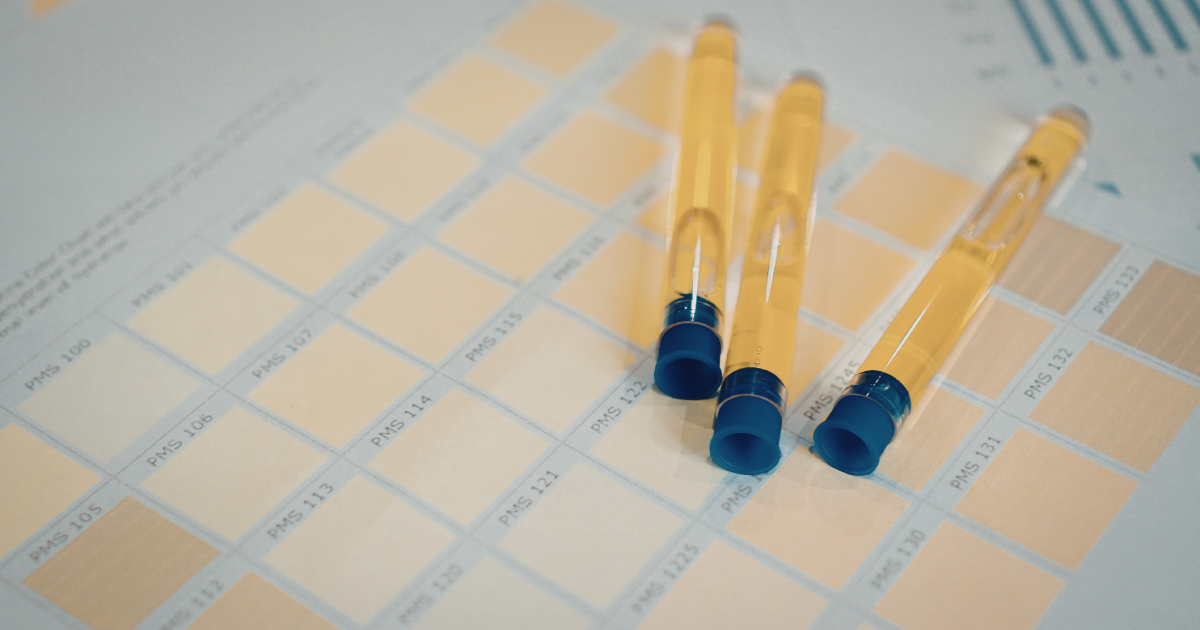
Understanding how long crack stays in urine is a question that carries real weight, whether you are preparing for a workplace drug screen, navigating court-ordered testing, or trying to understand what your body is going through as you consider getting help. Crack cocaine is metabolized quickly by the body, but the byproducts it leaves behind tell a longer story. Urine tests do not look for crack itself. They look for what your body turns it into, and those metabolites can linger far longer than the drug’s effects.
This guide covers the science behind crack detection in urine, what influences your personal timeline, and what the test results actually mean.
How Long Does Crack Stay in Urine: The Detection Window Explained
For most individuals, crack cocaine is detectable in urine for approximately two to four days after a single use. However, this window is not fixed. Heavy or chronic users can test positive for up to two weeks or longer because repeated use allows metabolites to accumulate in the body faster than they can be eliminated. The standard detection window that laboratories reference assumes moderate, occasional use, and your actual results may differ significantly based on your usage history, health, and metabolism.
The reason urine testing captures such a wide window compared to blood or saliva testing is that the kidneys continue filtering and excreting cocaine metabolites long after the drug has left the bloodstream. This makes urine drug screening the preferred method for most workplace, clinical, and legal testing programs.
Factors That Influence Detection Times
No single detection window applies universally. The amount of crack consumed, the frequency of use, your hydration status, body fat percentage, liver and kidney function, and even your genetic makeup all influence how quickly your body clears the drug and its metabolites. A person who uses crack once at a party faces a very different detection timeline than someone who has been using it daily for months. These variables are not minor adjustments to the standard window. They can double or triple it.
Why Timing Matters for Testing Accuracy
The timing of a urine test relative to the last use directly affects the result. Testing too early after use may catch the parent drug but miss the metabolite peak, while testing several days later captures the metabolites that confirm recent use. Laboratories calibrate their testing cutoff levels to balance sensitivity with accuracy, aiming to detect genuine recent use while minimizing false positives from trace environmental exposure. Understanding this timing dynamic helps explain why two people who used the same amount at the same time can produce different test results depending on when their samples were collected.
Crack Cocaine Urine Test: What the Results Actually Show
A crack cocaine urine test does not detect crack itself. Crack is a form of cocaine that is smoked, and once it enters the body, it follows the same metabolic pathway as powdered cocaine. The liver rapidly converts cocaine into several metabolites, with benzoylecgonine being the primary target of standard urine immunoassay panels. This metabolite is produced in large quantities, is chemically stable in urine samples, and has a significantly longer detection window than the parent drug.
Understanding Crack Metabolites in Urine Samples
Benzoylecgonine is the metabolite that most drug tests are calibrated to detect, with standard immunoassay cutoff levels typically set at 300 nanograms per milliliter. Confirmatory testing using gas chromatography-mass spectrometry can identify additional metabolites, including ecgonine methyl ester and, in cases where alcohol was consumed alongside cocaine, cocaethylene. Cocaethylene is a particularly significant metabolite because it has a longer half-life than benzoylecgonine and can extend the substance detection window when alcohol and crack are used together. This combination is more common than many people realize and meaningfully alters the testing timeline.
Detection Windows Across Different Drug Types
Crack cocaine’s urine detection window falls in the moderate range compared to other commonly tested substances. Understanding where it sits relative to other drugs provides useful context for anyone facing a multi-panel drug screen.
Cocaine Urine Levels and What They Indicate
Cocaine urine levels are not static. They follow a curve that peaks approximately 12 to 24 hours after use and then gradually declines as the kidneys continue filtering metabolites from the bloodstream. A high concentration of benzoylecgonine in a urine sample generally indicates more recent or heavier use, while lower levels may suggest that the drug was consumed several days earlier or in smaller quantities. However, urine concentration is also influenced by hydration, meaning a dilute sample may show lower levels even with recent heavy use.

Comparing Crack to Other Substances in Your System
How long drugs stay in your system varies dramatically by substance. Marijuana metabolites can remain detectable in urine for 30 days or more in chronic users due to their storage in fat tissue. Opioids like heroin typically clear within two to four days. Amphetamines generally remain detectable for one to three days. Crack cocaine’s two-to-four-day window for occasional users places it in a similar range to many other short-acting substances, but chronic use can push that timeline closer to the extended windows seen with drugs that accumulate in body tissue.
Urine Drug Screening Methods and Their Reliability
Standard urine drug screening uses a two-tier testing process. The initial screen is an immunoassay test that provides rapid results by detecting whether metabolite concentrations exceed a predetermined cutoff threshold. Immunoassay panels are efficient and cost-effective, but they can produce false positives from cross-reactivity with certain medications or substances that share structural similarities with cocaine metabolites.
When an initial screen returns a positive or inconclusive result, confirmatory testing is performed. Gas chromatography-mass spectrometry and liquid chromatography-tandem mass spectrometry are the gold standards for confirmation. These methods identify specific metabolites with a high degree of precision, virtually eliminating false positives and providing quantitative data about the concentration of each detected substance. For anyone concerned about testing accuracy, understanding this two-step process is essential.
How Long Drugs Stay in Your System: A Timeline Breakdown
The drug test timeline for crack cocaine follows a predictable general pattern, though individual variation is significant.
The First 24 Hours After Use
Crack produces an intense but short-lived high, typically lasting five to fifteen minutes. Within minutes of use, the liver begins converting cocaine into metabolites. Blood levels of the parent drug peak within minutes and decline rapidly, with most cocaine cleared from the bloodstream within two to four hours. However, metabolite production continues, and benzoylecgonine levels in urine begin rising within two to six hours after use. During this initial phase, both the parent drug and its metabolites may be detectable, providing a clear indicator of very recent use.
Extended Detection Periods for Regular Users
Chronic crack use fundamentally changes the detection equation. Regular users accumulate benzoylecgonine and other metabolites in body tissues, creating a reservoir that continues releasing detectable quantities into the urine long after the last use. Studies have documented positive urine tests in heavy, chronic cocaine users for 10 to 14 days and, in some extreme cases, even longer. This accumulation effect is the primary reason why the standard two-to-four-day detection window does not apply to everyone and why chronic users should expect significantly extended detection periods.
Substance Detection Window: Variables That Change Everything
Beyond usage patterns, several individual biological factors create meaningful variation in how long crack remains detectable.
Individual Metabolism and Body Composition
Liver enzyme efficiency, particularly the activity of hepatic carboxylesterases that metabolize cocaine, varies between individuals due to genetic factors, age, and overall liver health. Individuals with compromised liver function process cocaine and its metabolites more slowly, extending detection windows. Body composition also matters because cocaine metabolites can be stored in fatty tissue. Individuals with higher body fat percentages may experience longer detection periods as stored metabolites are gradually released back into circulation and filtered through the kidneys.
Drug Test Timeline: Preparing for Accurate Results
If you are facing an upcoming drug screen, the most reliable path to a clean result is sustained abstinence. No supplement, detox drink, or hydration strategy can reliably accelerate the body’s natural clearance process to a meaningful degree. Excessive water intake before testing may dilute the sample, but laboratories routinely test for dilution and may flag or reject overly dilute specimens, potentially requiring a retest.
The most productive step you can take is to be honest with yourself about your usage patterns and timeline. If you are a chronic user, assume an extended detection window and plan accordingly. If substance use is making it difficult to meet obligations like employment testing or legal requirements, that difficulty itself may be a signal worth paying attention to.
Getting Support for Substance Use at Addiction Recovery Center
If questions about how long crack stays in urine are part of a larger pattern of concern about your substance use, help is available. Crack cocaine dependence is a medical condition with effective, evidence-based treatments, and reaching out for support is a sign of strength, not weakness.
Addiction Recovery Center offers comprehensive treatment programs for cocaine and crack dependence, including medically supervised detoxification, residential care, intensive outpatient programs, and long-term recovery planning. Our clinical team provides individualized treatment that addresses both the physical and psychological dimensions of addiction in a supportive, judgment-free environment. Contact Addiction Recovery Center today to speak with an admissions specialist who can help you explore your treatment options and take the next step toward recovery.

FAQs
- Can crack metabolites show up in urine tests after 48 hours of use?
Yes. Benzoylecgonine, the primary metabolite detected in urine screening, routinely remains above standard testing thresholds for two to four days after a single use. For individuals who used larger amounts or who have been using regularly, metabolite levels can remain detectable well beyond the 48-hour mark, often extending to a week or longer, depending on individual factors.
- Does body weight affect how long crack cocaine stays in urine?
Body composition, particularly body fat percentage, can influence detection duration. Cocaine metabolites are lipophilic and can accumulate in fatty tissue, creating a reservoir that slowly releases metabolites back into the bloodstream for kidney filtration. Individuals with higher body fat percentages may experience longer detection windows compared to leaner individuals, even when usage amounts are similar.
- Why do regular crack users have longer substance detection windows than occasional users?
Chronic use creates a cumulative buildup of metabolites in body tissues that exceeds the body’s ability to clear them between doses. Each additional use adds to the total metabolite burden before the previous load has been fully eliminated. This accumulation effect means that after the last dose, the body must work through a significantly larger backlog of stored metabolites, extending the detectable window from the standard two to four days to potentially two weeks or more.
- Which urine drug screening methods detect crack metabolites most accurately?
Gas chromatography-mass spectrometry and liquid chromatography-tandem mass spectrometry are the most accurate methods for detecting and quantifying cocaine metabolites in urine. These confirmatory tests identify specific metabolites with near-zero false positive rates and provide precise concentration data. Standard immunoassay screens are effective for initial detection but are less specific and can occasionally produce false positives from cross-reactive substances.
- How do crack cocaine urine levels differ between first-time and chronic users?
First-time or occasional users typically produce a single metabolite peak that rises within hours of use and falls below detection thresholds within two to four days. Chronic users show consistently elevated baseline metabolite levels due to tissue accumulation, and their urine concentrations may remain above testing cutoffs for significantly longer periods. The total metabolite burden in a chronic user’s system can be many times higher than that of an occasional user, even when the most recent dose was identical in size.