Combined Drug Intoxication: Medical Risks, Symptoms, and Emergency Treatment
Every year, thousands of people end up in emergency rooms because of combined drug intoxication- a serious and often life-threatening condition that happens when more than one substance is in the body at the same time. Whether it is alcohol mixed with pills or two different street drugs taken together, the results can be deadly. This blog breaks down what happens inside the body, what warning signs to look for, and what steps are taken in emergencies. Understanding these facts could save a life.
What Is Combined Drug Intoxication?
Combined drug intoxication, also called polysubstance intoxication, occurs when a person takes two or more drugs at the same time or within a short period. These drugs can include prescription medications, alcohol, over-the-counter drugs, or illegal substances. When they mix in the bloodstream, they do not simply add up- they often create reactions that are far more dangerous than either drug alone. This condition is one of the leading causes of drug-related deaths worldwide.
How Multiple Substances Interact in the Body
The liver processes most drugs, and when it has to handle multiple substances at once, it can become overwhelmed. Some drugs slow down how fast others are broken down, causing them to build up to toxic levels. Others speed up the process, making drugs leave the body too quickly or unpredictably. The brain is especially vulnerable. Signals that control breathing, heart rate, and alertness can be disrupted when multiple chemicals hit the nervous system at once. This makes drug interactions unpredictable and extremely risky.
The Dangers of Polydrug Use and Substance Mixing
Many people do not fully understand the dangers of polydrug use. Some think that combining drugs lets them control the high or balance out side effects. In reality, mixing substances greatly increases the chance of overdose, organ failure, and death.
According to the National Institute on Drug Abuse (NIDA), a significant percentage of overdose deaths involve more than one substance, making polydrug use one of the most dangerous patterns of substance abuse.
Why Mixing Drugs Amplifies Health Risks
When two depressants- such as alcohol and opioids- are taken together, they both slow down the central nervous system. This can cause breathing to stop completely. Mixing a stimulant like cocaine with a depressant like alcohol forces the heart to work against itself, raising the risk of cardiac arrest. The body simply cannot handle these opposite signals at the same time. Even combining two medications prescribed by a doctor can be risky without proper medical guidance.
Common Drug Combinations and Their Effects
The table below shows some of the most dangerous drug combinations and the health risks they create:
|
Drug Combination |
Interaction Type |
Primary Risk |
|
Alcohol + Opioids |
CNS Depression |
Respiratory failure |
|
Cocaine + Alcohol |
Stimulant/Depressant clash |
Heart attack, stroke |
|
Benzodiazepines + Opioids |
CNS Depression |
Coma, fatal overdose |
|
MDMA + Stimulants |
Overstimulation |
Hyperthermia, seizures |
|
Alcohol + Benzodiazepines |
CNS Depression |
Blackout, death risk |
Recognizing Symptoms of Polysubstance Intoxication
It is important to recognize the signs of polysubstance intoxication early. The faster someone gets help, the better the outcome. Symptoms can vary depending on which drugs were used, but there are common warning signs to watch for.
Physical Warning Signs Across Different Drug Types
- Breathing problems: very slow, shallow, or stopped breathing.
- Extreme confusion: not knowing where they are or what is happening.
- Unconsciousness: unable to be woken up or responding to voice.
- Seizures: sudden uncontrolled shaking or convulsions.
- Blue lips or fingertips: a sign that oxygen levels are dangerously low.
- Vomiting: especially dangerous if the person is unconscious.
- Rapid or irregular heartbeat: common with stimulant and alcohol combinations.
Drug Interactions: How Substances Alter Each Other's Effects
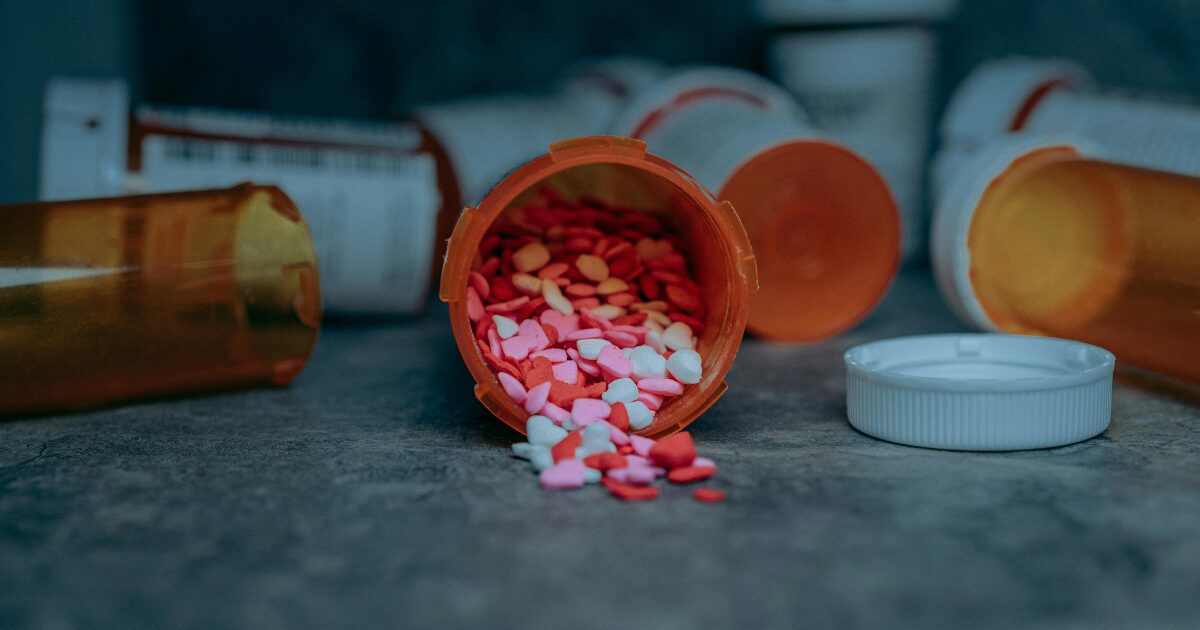
Drug interactions happen when one substance changes how another one works. This can make a drug stronger, weaker, or completely different in the way it affects the body. For example, mixing grapefruit juice with certain medications can raise drug levels in the blood to dangerous amounts.
On a more serious level, opioids combined with sedatives can turn a normal dose of either drug into a fatal amount. This is why toxicology specialists play such a vital role in treating patients who have taken multiple substances.
Overdose Risk Factors in Multi-Substance Scenarios
Not every person who uses multiple drugs will overdose, but certain factors raise the risk significantly. People who use drugs alone, or in large amounts or who mix substances they are not familiar with are at higher risk. Mental health conditions, a history of substance abuse, and physical health problems all make the situation more dangerous.
According to the Substance Abuse and Mental Health Services Administration (SAMHSA), polysubstance use is consistently linked to higher rates of emergency room visits and fatalities than single-drug use.
Identifying Critical Thresholds and Danger Zones
Every drug has a "threshold"- the amount at which it starts causing serious harm. When multiple drugs are present, these thresholds drop sharply. A person may take what they think is a safe amount of two separate drugs, but together those amounts can cross into a danger zone.
Tolerance also plays a role- someone who uses regularly may not feel strong effects, but their organs are still being damaged. This false sense of safety is one reason combined drug intoxication catches so many people off guard.
Emergency Treatment Protocols for Acute Intoxication
When someone shows signs of polysubstance intoxication, emergency treatment must begin immediately. Every minute matters, especially when breathing has slowed or stopped.
Immediate First Aid and Medical Intervention Steps
The first step is to call emergency services right away. While waiting, place the person in the recovery position if they are unconscious but breathing- lying on their side prevents choking. Never leave them alone.
If naloxone (Narcan) is available and opioids are suspected, administer it immediately. It can reverse an opioid overdose within minutes. Emergency responders may provide oxygen, IV fluids, activated charcoal to absorb undigested drugs, or medications to stabilize heart rate and blood pressure.
Toxicology Assessment and Hospital Management
Once in the hospital, doctors use toxicology tests- blood and urine tests- to identify exactly which substances are in the patient's system. This is critical because treatment differs depending on the drugs involved. A patient with opioids needs different care than one with stimulants.
The medical team monitors vital signs closely, manages withdrawal symptoms if they appear, and may use antidotes when available. Hospital management of combined drug intoxication often requires a team of specialists working together to keep the patient stable.
Recovery and Withdrawal Support at Addiction Recovery Center
Facing substance abuse or polydrug use is never something you should do alone. At Addiction Recovery Center, our compassionate medical team provides personalized treatment plans designed to address both physical dependency and the emotional roots of addiction. We offer medically supervised detox to safely manage withdrawal symptoms, combined with therapy and long-term recovery support.
Whether you or a loved one needs help after an emergency or is seeking proactive care, we are ready to guide you every step of the way. Reach out today- recovery is possible, and it starts with one step. Visit us to learn more.
FAQs
-
Can mixing alcohol with opioids cause fatal overdose without warning signs?
Yes, mixing alcohol with opioids can silently suppress breathing without obvious distress. The person may simply fall asleep and stop breathing. This is why this combination is especially deadly, even at low doses.
-
How do benzodiazepines and stimulants interact to create unpredictable toxicology results?
Benzodiazepines slow the brain while stimulants speed it up, creating opposing effects. This clash confuses the central nervous system, making toxicology results difficult to predict. Dangerous heart and brain complications can develop quickly and unexpectedly.
-
What polysubstance combinations require immediate emergency treatment protocols?
Opioids with benzodiazepines or alcohol require the most urgent emergency treatment. These combinations stop normal breathing fast. Any unconscious or unresponsive person with these substances needs emergency help to be called immediately.
-
Why does polydrug use complicate withdrawal symptoms during addiction recovery?
Each substance produces its own unique and overlapping withdrawal symptoms during recovery. Managing multiple withdrawals simultaneously is medically complex and often dangerous. Medical supervision is essential to keep patients safe and comfortable throughout the entire process.
-
How can toxicology assessments identify dangerous drug interactions in hospital settings?
Blood and urine toxicology tests detect which drugs are present and in what amounts. This guides doctors to choose the right antidotes and avoid harmful treatment combinations. Accurate toxicology results are critical to preventing further complications during hospital care.